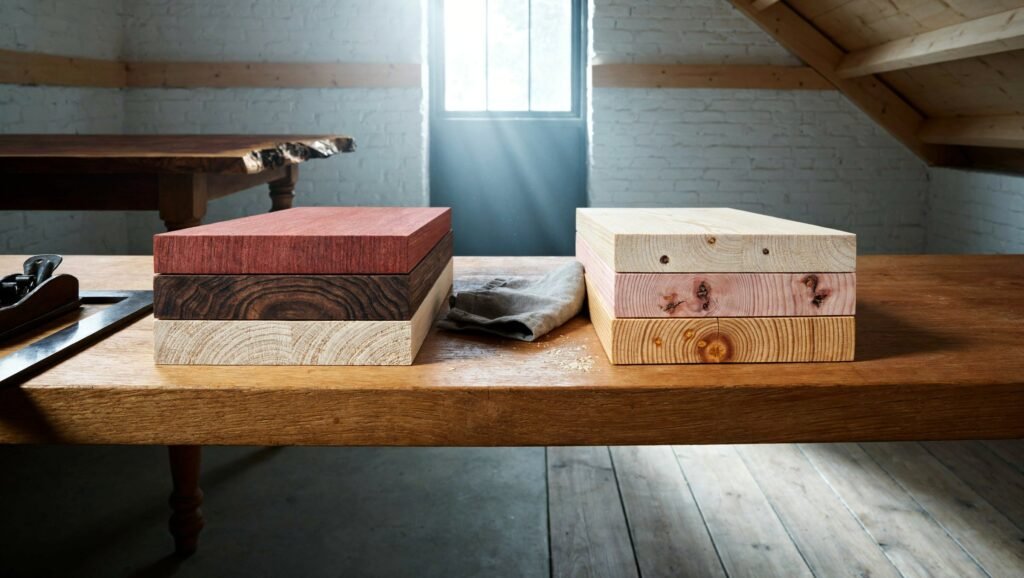
Choosing between hardwood and softwood depends on your project’s purpose, budget, and expected wear. Hardwood vs softwood is not simply a question of which wood is stronger. Hardwood often suits durable flooring and furniture, while softwood can be a practical choice for framing and selected interior features. Both can perform well when you choose the right species, grade, and finish.
Planning a home project? Visit BB Timber to explore timber options and discuss your material requirements before buying.
At a Glance: What Is the Difference Between Hardwood and Softwood?
- Hardwood: Comes from broad-leaved trees, such as oak and teak. Many species offer good durability for furniture, flooring, and other demanding applications.
- Softwood: Generally comes from coniferous trees, such as pine and cedar. It is widely used for framing, joinery, and selected decorative projects.
- Strength: Depends on the species, grade, moisture content, and intended use.
- Cost: Varies by species, availability, dimensions, and processing.
- Best choice: The timber that meets your project’s performance requirements without exceeding your budget.
One important fact: hardwood and softwood are botanical classifications, not guaranteed measures of hardness. Some hardwoods are relatively soft, while some softwoods are strong and durable.
What Is Hardwood Timber, and When Should You Use It?
Hardwood comes from angiosperm trees, which generally produce seeds enclosed within fruits. Common examples include oak, teak, maple, and mahogany.
Many hardwoods have attractive grain patterns and good resistance to everyday wear. However, their properties vary considerably between species.
Where Does Hardwood Work Best?
Hardwood is often considered for:
- Flooring: Suitable species can withstand regular foot traffic when properly installed and maintained.
- Furniture: Tables, chairs, bed frames, and cabinets can benefit from durable timber.
- Doors: Selected hardwoods offer a solid feel and an attractive natural finish.
- Staircases: Appropriate species can provide durability for frequently used steps and handrails.
- Decorative features: Natural grain can add character to wall panels, shelving, and custom joinery.
When shopping for hardwood timber Pakistan, compare the exact species, grade, moisture content, and intended application. A timber’s name alone does not guarantee quality.
For homes in Karachi, also consider humidity, ventilation, and exposure to moisture. Proper drying and installation matter just as much as the species you choose.
What Is Softwood Timber, and When Is It the Better Option?
Softwood generally comes from gymnosperm trees, including many conifers. Pine, fir, spruce, and cedar are common examples.
Softwood is often easier to machine and can be cost-effective for many building and interior applications. However, not every softwood is inexpensive, and not every species is suitable for every project.
Which Projects Are Suitable for Softwood?
Softwood may be a good option for:
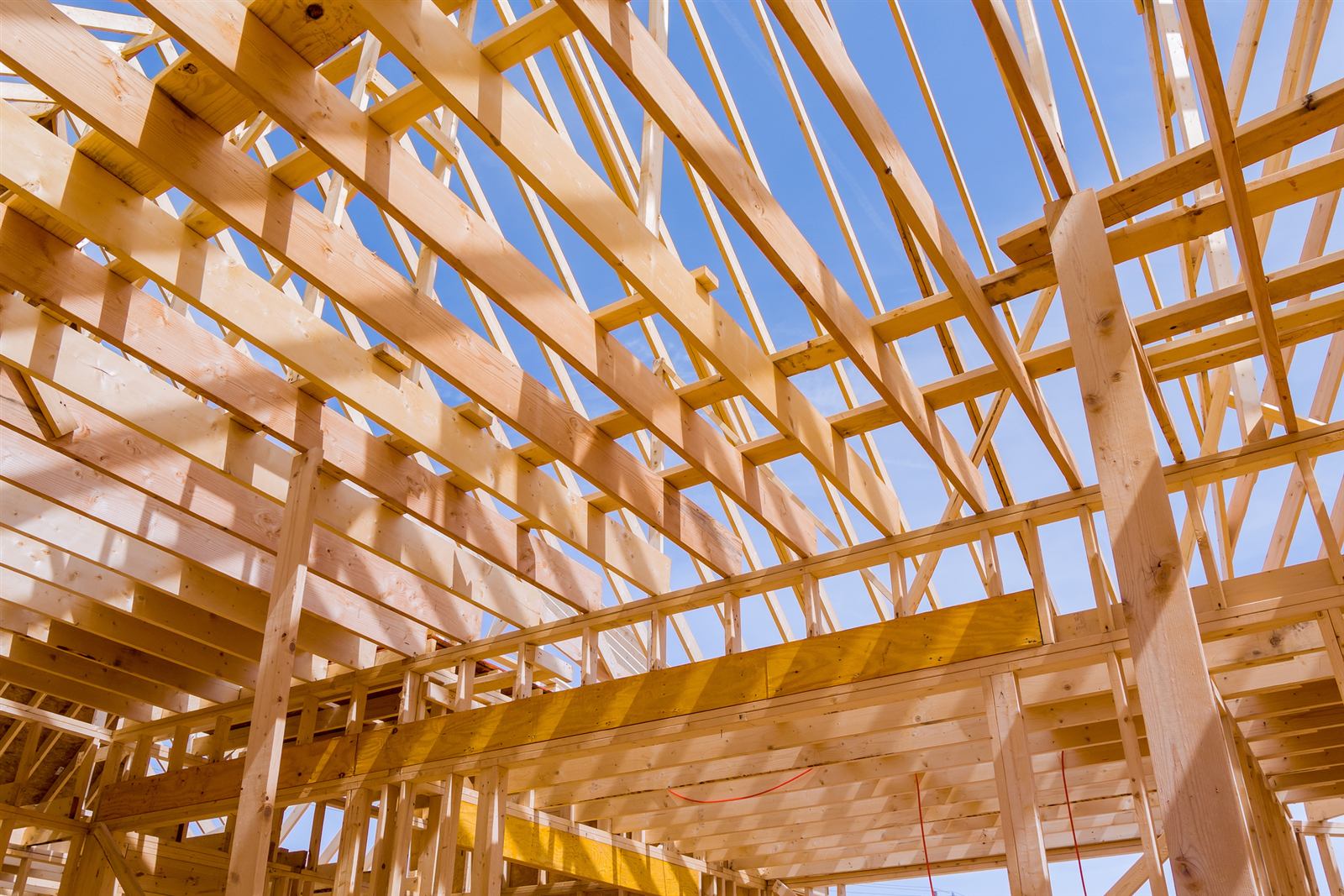
- Framing and construction: Appropriate structural grades can be used for specified building applications.
- Ceilings and wall features: Selected boards can create a warm, natural look.
- Shelving and basic furniture: Suitable grades work well for many indoor projects.
- Joinery: Softwood can be practical for mouldings, trim, and selected door components.
- Temporary structures: Appropriate construction-grade timber can serve short-term purposes.
If you’re sourcing softwood timber Karachi, explain exactly how the material will be used. Ask your supplier about strength, treatment, moisture content, and whether the selected grade meets your contractor’s specifications.
Softwood can be a sensible choice, but untreated or poorly dried boards may still be vulnerable to moisture damage, insect attack, and movement.
What Are the Main Differences Between Hardwood and Softwood?
The key differences between hardwood and softwood involve their botanical origins, physical properties, typical applications, and costs.
| Feature | Hardwood | Softwood |
| Tree type | Generally broad-leaved trees | Generally coniferous trees |
| Common examples | Teak, oak, maple | Pine, fir, spruce |
| Typical uses | Flooring, furniture, stairs | Framing, mouldings, selected interiors |
| Workability | Varies; some species are harder to cut | Often easier to machine, depending on species |
| Durability | Can be highly durable, depending on species and treatment | Can also be durable with suitable species and protection |
| Cost | May cost more for premium species | Often economical, but prices vary |
| Maintenance | Depends on finish and exposure | Depends on finish and exposure |
These are general comparisons, not fixed rules. For example, treated softwood can be suitable for demanding applications, while some hardwoods are not appropriate for outdoor use without protection.
Which Timber Is More Durable for Your Home?
Durability depends on more than whether a timber is classified as hardwood or softwood. Natural resistance to decay, density, grain structure, moisture content, treatment, and installation all affect performance.
For a busy living room, a suitable hardwood may be a strong flooring option. For a ceiling, a properly selected softwood may deliver the look and performance you need without the expense of a premium hardwood.
Before making a decision, consider:
- How much weight or daily wear the timber must handle.
- Whether it will be exposed to humidity, spills, or direct sunlight.
- Whether insects or fungal decay are a concern.
- What protective coating or treatment is required.
- How easy it will be to repair or replace damaged pieces.
For structural work, always follow the specified timber grade and applicable building requirements. Never choose load-bearing materials based on appearance alone.
Which Option Is More Affordable?
There is no universal price difference between hardwood and softwood. Costs depend on species, grade, dimensions, origin, availability, processing, and delivery.
Softwood is often a budget-friendly option for framing and basic interior work. Premium hardwood may require a larger upfront investment, especially for furniture or flooring.
However, buying the cheapest material is not always the best way to save. Poor-quality timber can lead to extra cutting waste, installation problems, and repairs.
For an accurate comparison, request quotations for equivalent dimensions and grades. Compare the total installed cost, including finishing and maintenance, rather than the price per board alone.
How Can You Choose the Right Timber for Your Project?
Follow these five steps before placing your order.
- Identify the application. Decide whether you need timber for flooring, furniture, ceilings, framing, doors, or decorative work.
- Set your budget. Include material, delivery, cutting, finishing, and installation costs.
- Compare suitable species. Ask about durability, strength, workability, and suitability for indoor or outdoor use.
- Inspect the timber. Check for excessive warping, deep cracks, insect damage, and other defects. Ask about moisture content and grading.
- Confirm the specifications. Verify dimensions, quantities, treatment, storage requirements, and delivery arrangements with your supplier or contractor.
Taking a little time to compare options can prevent costly mistakes later.
What Should You Check Before Buying Timber in Pakistan?
Local conditions and material availability can influence your final choice. Whether you’re renovating a home or sourcing timber for a construction project, use this checklist:
- Is the timber suitable for the intended application?
- Do I know the exact species and grade?
- Has the timber been properly dried?
- Is it suitable for Karachi’s indoor conditions or the project’s exposure?
- Are the dimensions consistent across the order?
- Will it need preservative treatment or a protective finish?
- Have I compared the total cost from different suppliers?
- Can the supplier explain the product’s limitations and maintenance needs?
For hardwood timber Pakistan and softwood timber Karachi, ask for clear product specifications rather than relying on broad labels alone.
Frequently Asked Questions
Is hardwood always stronger than softwood?
No. Strength varies by species, grade, moisture content, and the type of force applied. Choose timber according to its intended use and the relevant structural or product specifications.
Is hardwood or softwood better for furniture?
Both can work well. Hardwood is often chosen for durable furniture and visible natural grain, while softwood can suit lighter furniture and budget-conscious projects. The design, construction, and finish matter too.
Which timber is better for flooring?
A suitable hardwood is a popular option for solid timber flooring because many species handle regular wear well. Engineered flooring and other materials may also be appropriate, depending on the room, installation method, and budget.
Can softwood be used for ceilings and interior decoration?
Yes. Selected softwoods are commonly used for ceiling boards, wall features, mouldings, and other decorative elements. Make sure the timber is properly dried and securely installed.
What should I consider when buying timber in Karachi?
Consider the intended use, species, grade, moisture content, storage conditions, ventilation, and exposure to humidity or water. Ask your supplier for material specifications and confirm installation requirements with your contractor.
Find the Right Timber for Your Project with BB Timber
The best choice in the hardwood vs softwood debate comes down to what your project needs. Hardwood can be an excellent fit for selected flooring and furniture applications, while softwood can work well for construction, joinery, and interior features. Neither is automatically the better option for every home.
At BB Timber, the goal is to help you make an informed choice based on your project’s requirements, budget, and material specifications.
Ready to plan your next project? Visit BB Timber to explore your options and discuss your timber requirements.