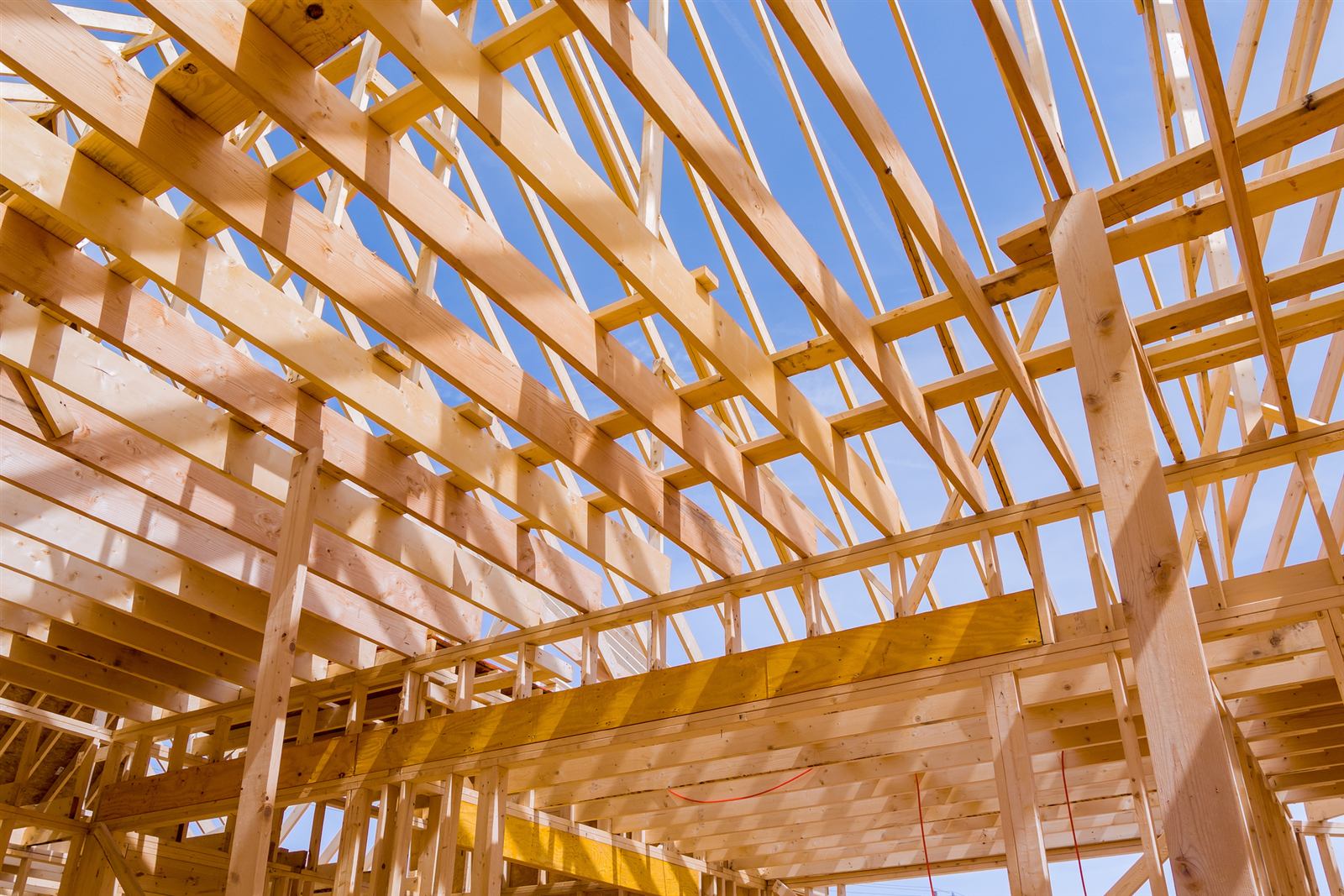

Choosing the right timber for home renovation comes down to understanding where the wood will be used, how much wear it will face, and how it will handle Karachi’s climate. For flooring, ceilings, cabinets, and decorative features, compare timber species, moisture content, grade, and finish before buying. The right choice can improve durability, reduce maintenance, and help you get better value from your renovation budget.
Planning a renovation? Explore BB Timber’s timber solutions at https://bbtimber.com/ and choose materials that match your project requirements.
At a Glance: What Should You Check Before Buying Timber?
- Purpose: Decide whether you need timber for flooring, ceilings, doors, cabinets, or decorative work.
- Durability: Match the wood’s strength to the expected load and daily use.
- Moisture content: Choose properly dried timber to help reduce warping, cracking, and shrinkage.
- Appearance: Check grain, colour, texture, and consistency.
- Budget: Compare the total cost of timber, cutting, installation, finishing, and maintenance.
- Supplier: Look for accurate specifications, consistent quality, and reliable guidance.
Why Does Choosing the Right Timber Matter for Home Renovation?
Timber is more than a finishing material. It affects the appearance, comfort, and long-term performance of your interiors. The wrong wood can develop cracks, warp, or require frequent repairs. A suitable grade and finish can help prevent these problems.
For homeowners planning home remodeling Karachi, climate is another important consideration. Seasonal humidity changes, indoor ventilation, direct sunlight, and moisture exposure can affect wood over time.
Your choice should reflect the room’s conditions, the intended design, and how often the surface will be used. A timber ceiling has different requirements from a staircase, kitchen cabinet, or hardwood floor.
Which Type of Timber Is Best for Different Interior Projects?
There is no single timber type that works best for every renovation. Start by matching the material to its intended use.
1. What Timber Should You Choose for Flooring?
Flooring needs to withstand foot traffic, furniture movement, and regular cleaning. Hard, durable timber can be suitable for areas with heavy use, provided it is correctly installed and protected.
When selecting hardwood flooring, consider:
- Resistance to dents, scratches, and everyday wear.
- Stability under changing indoor humidity.
- Grain pattern and colour consistency.
- Compatibility with the chosen finish.
- Availability of replacement or matching boards.
Solid hardwood, engineered wood, and timber-look alternatives offer different benefits. Engineered flooring generally has a layered construction that can improve dimensional stability, although performance depends on its design and installation.
2. What Timber Works Best for Ceilings?
Timber for ceilings can add warmth and natural texture to living rooms, bedrooms, offices, and feature spaces. Since ceilings are not usually exposed to direct wear, appearance, weight, dimensional stability, and secure fixing become key considerations.
Before buying, check the following:
- Whether the timber is suitable for overhead installation.
- Whether the supporting framework can carry its weight.
- Whether the material has been properly dried.
- Whether the finish suits the room’s lighting and design.
- Whether electrical fixtures and ventilation have been planned.
For larger ceiling installations, ask a qualified installer to confirm the fixing system and structural support.
3. Which Timber Is Suitable for Cabinets and Wardrobes?
Cabinets and wardrobes need materials that hold their shape and support hinges, handles, and other fittings. Depending on the design, you may use solid timber for selected components or engineered wood products for cabinet panels.
For wood for home interiors, compare strength, surface finish, machining quality, and resistance to moisture. Kitchens and bathrooms need extra care because steam, spills, and leaks can damage unsuitable materials.
4. How Should You Choose Timber for Doors and Decorative Panels?
Doors require stable construction, especially when they are large or exposed to changing indoor conditions. Decorative wall panels, shelving, and feature walls offer more flexibility because visual appeal may be a bigger priority than load-bearing strength.
Choose timber with a grain and colour that complements your flooring, furniture, and wall finishes. For shelves or built-in storage, also consider the weight they must support.
What Factors Should You Consider Before Buying Timber?
Moisture Content and Drying
Moisture is one of the most important factors when purchasing timber. Wood naturally gains and loses moisture as surrounding conditions change. Poorly dried timber may shrink, twist, or crack after installation.
Ask your supplier about the drying process and whether the timber is suitable for your intended indoor environment. A moisture meter can help verify readings when used correctly.
Timber Grade and Structural Strength
Timber grading helps identify characteristics such as knots, defects, and suitability for particular applications. The required grade depends on whether the material will be decorative, used for furniture, or form part of a structural element.
Never select structural timber based on appearance alone. Follow applicable building requirements and professional specifications.
Finish, Grain, and Colour
Natural timber comes in different shades and grain patterns, even within the same species. If you are ordering materials for a large project, inspect representative samples before confirming the full quantity.
Also consider how stains, oils, paints, and protective coatings will change the final appearance.
Budget and Long-Term Value
The cheapest timber is not always the most economical option. Lower upfront costs can be offset by waste, difficult installation, early repairs, or additional finishing work.
Compare the complete project cost rather than looking only at the price per unit.
How Can You Select the Right Timber Step by Step?
Follow these six steps before placing your order:
- Define the application. List every area where timber will be installed, from flooring and ceilings to doors and cabinets.
- Set your budget. Include materials, wastage, transport, installation, and finishing.
- Compare suitable options. Ask about species, grade, dimensions, durability, and intended use.
- Check moisture and quality. Inspect for excessive warping, deep cracks, insect damage, and other defects.
- Review samples. Compare grain, colour, and finish under lighting similar to your home.
- Confirm specifications. Verify quantities, dimensions, delivery arrangements, and installation requirements with your supplier and contractor.
Taking these steps before purchasing can help prevent expensive changes once the renovation is underway.
How Do Common Timber Options Compare?
The best option depends on the application, quality, and construction method. This table offers a general starting point rather than a guarantee of performance.
| Timber option | Common applications | Main consideration |
| Hardwood | Flooring, stairs, furniture | Durability, species, and cost |
| Softwood | Selected interiors, framing, decorative features | Grade, strength, and protection |
| Engineered wood | Cabinets, wardrobes, selected flooring systems | Core construction and moisture resistance |
| Veneered panels | Furniture, cabinets, wall features | Veneer quality and substrate stability |
| Treated timber | Suitable exterior or moisture-exposed applications | Treatment type and intended exposure |
These categories are not interchangeable. For example, engineered wood products differ widely in their resistance to moisture, and not every treated timber product is suitable for interior use. Always check the manufacturer’s specifications.
What Common Timber-Buying Mistakes Should You Avoid?
A few common mistakes can affect both the appearance and lifespan of a renovation.
- Buying timber without explaining its intended application.
- Ignoring moisture content and storage conditions.
- Choosing based on colour while overlooking grade and stability.
- Assuming all hardwoods have the same strength or durability.
- Failing to account for cutting waste and installation costs.
- Installing timber before wet construction work has dried properly.
- Skipping protective finishes where the application requires them.
Store timber according to the supplier’s recommendations and allow it to acclimatise when the installation method requires it. Your contractor should confirm the appropriate timing and conditions.
What Should You Ask a Timber Supplier Before Ordering?
Use this checklist when comparing suppliers for your next renovation:
- Is this timber suitable for my specific application?
- What species, grade, dimensions, and finish are available?
- Has the timber been properly dried?
- How should it be stored before installation?
- What level of maintenance will it require?
- Are matching sizes and replacement pieces available?
- What are the delivery terms and total estimated cost?
- Can you provide samples or explain the product specifications?
A reliable supplier should be able to explain the material’s intended use and limitations clearly.
Frequently Asked Questions About Timber for Home Renovation
Which timber is best for home interiors?
The best option depends on the application. Hardwood may suit flooring and selected furniture, while engineered wood can work well for cabinets and wardrobes. Consider durability, stability, moisture exposure, appearance, and budget before choosing.
Is timber suitable for homes in Karachi?
Yes, timber can be used in Karachi homes when the material is suitable for its application and installed correctly. Consider indoor humidity, ventilation, direct sunlight, and possible water exposure. Proper drying, storage, finishing, and maintenance also matter.
What is the difference between hardwood and softwood?
Hardwood comes from broad-leaved trees, while softwood generally comes from conifers. These terms describe botanical groups rather than a simple measure of hardness. Some hardwoods are relatively soft, and some softwoods can be quite strong.
How can I prevent timber from warping after installation?
Choose properly dried timber, store it correctly, and install it under suitable conditions. Allow for movement where the design requires it, use appropriate fixings, and control moisture exposure. Correct installation and finishing can reduce the risk, but no timber is completely immune to movement.
How much timber do I need for a renovation?
The quantity depends on the measured area, timber dimensions, installation pattern, and cutting waste. Ask your contractor or supplier to calculate the requirement from your final measurements. The amount of extra material needed will vary by project.
Choose the Right Timber for Your Next Project with BB Timber
A successful renovation starts with materials that suit your space, budget, and practical needs. From wood for home interiors to hardwood flooring and timber for ceilings, comparing quality, moisture content, grade, and finish can help you make a confident decision.
BB Timber can be your starting point for exploring timber options for residential and interior projects. Visit https://bbtimber.com/ to learn more and discuss your requirements with the team.